
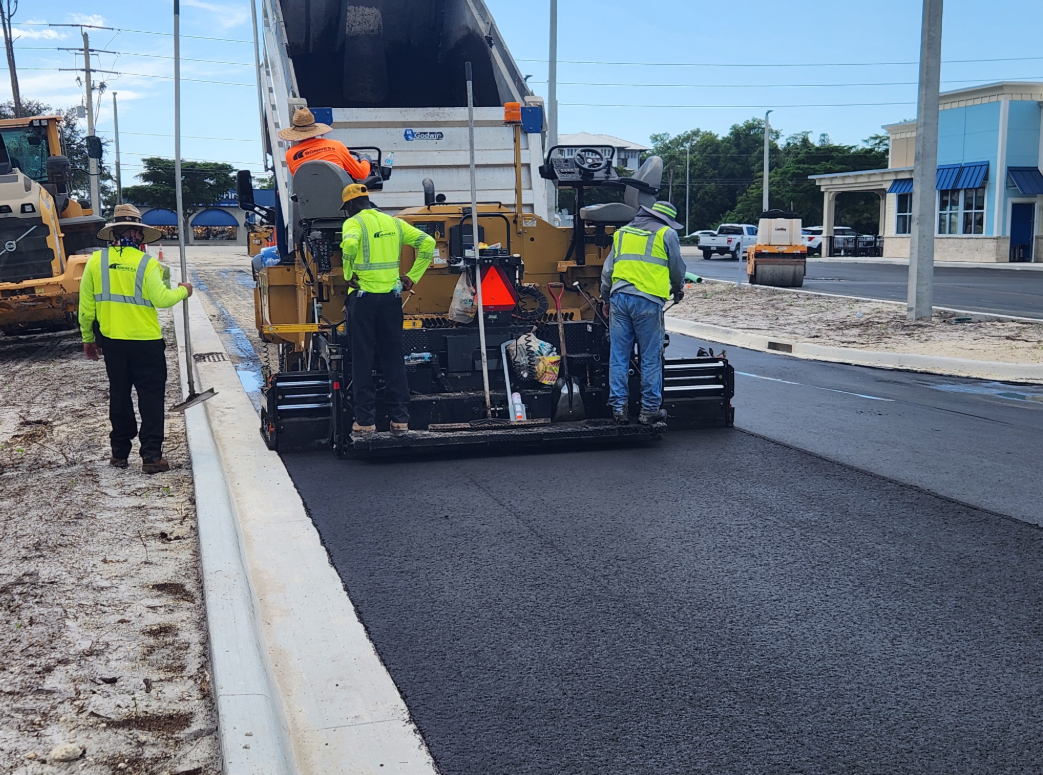
Asphalt pavement plays an essential role in maintaining both the curb appeal and the functionality of residential communities, especially those with shared driveways, roadways, and storm drain systems. Its condition affects safety, appearance, and long-term durability. Over time, however, asphalt can deteriorate to the point where repairs are no longer effective. Recognizing when your pavement has reached this stage is especially important in Naples, FL, where heat, humidity, and seasonal storms can accelerate damage. This guide will help you determine when asphalt replacement is the more practical option compared to temporary fixes.
Extensive Cracks and Potholes
When small cracks expand into large fissures and the surface develops numerous potholes, it is often a sign that the asphalt structure has weakened. These defects not only affect the appearance of community roadways and driveways but can also create hazards for vehicles and pedestrians. If cracking and potholes are widespread, repairs may no longer provide long-term stability.
Surface Erosion and Fading
Surface erosion and severe fading indicate the asphalt has deteriorated beyond superficial wear. Intense sun exposure can cause the pavement to lose essential binders, making it brittle and more vulnerable to water intrusion. In residential neighborhoods, this type of wear can compromise drainage flow and lead to further damage during heavy rains.
Age and Durability
The age of your asphalt significantly influences whether it can be repaired or must be replaced. Asphalt pavements in community areas such as shared entrances, drive aisles, or access roads eventually reach the end of their serviceable lifespan. When pavement is approaching this threshold and shows multiple signs of decline, replacement is often the most reliable and durable option.
Significant Depressions and Ruts
Over time, heavy use combined with the Florida climate can lead to depressions and ruts. These distortions can disrupt water flow around storm drains and create standing water, which increases the likelihood of further deterioration. Pronounced depressions often indicate underlying structural issues that cannot be remedied through minor repairs.
When to Contact Professionals
Identifying surface defects is only the first step. Accurately determining the extent of the damage and the appropriate solution requires professional evaluation. An experienced asphalt contractor can assess visible issues while also considering factors that affect long-term performance, including drainage concerns that are especially important for residential communities preparing for future hurricane seasons.
How Bonness Can Help
Bonness understands the unique challenges that asphalt surfaces face in the Naples climate. We provide comprehensive assessments and tailor solutions to meet the needs of residential developments, including driveways, community roadways, and areas surrounding storm drains. Whether you need targeted repairs before issues escalate or complete replacement, our goal is to deliver durable and long-lasting pavement solutions.
Take the Next Step
If you are noticing these signs of asphalt deterioration on your property in Naples, FL, contact Bonness at (239) 597-6221 or fill out our online form to schedule a consultation. Our experienced team will help you determine the best approach to ensure your community’s roadways and paved surfaces remain safe, functional, and ready for future seasons.