Driveway Construction

How the Weather Affects Asphalt Curing and What We Do About It

When planning an asphalt paving project, understanding how the local weather affects asphalt curing is essential for achieving a durable, long-lasting result. From intense summer heat to sudden afternoon rain showers common in Naples, FL, weather plays a pivotal role in both the process and performance of new asphalt surfaces. Knowing what to expect, and how professional asphalt paving contractors adjust their methods for the subtropical climate, ensures your driveway, parking lot, or roadway stands the test of time.

The Critical Role of Temperature in Asphalt Curing

Temperature is one of the most influential factors in asphalt paving projects. The ideal range for laying and curing asphalt is generally between 50°F and 85°F. In Naples, temperatures rarely fall below this threshold, but extreme heat is a frequent challenge.

High midday temperatures, often reaching the 90s during summer, cause asphalt to remain hot and soft for longer than usual. While this may seem beneficial, extended softness shortens the contractor’s working window, making it essential that paving contractors use efficient, professional equipment to ensure the surface is properly compacted before the mix cools. Excessive heat can also lead to premature surface deformation, especially if heavy vehicles are allowed on the pavement before it has fully cured.

Humidity and Rain, The Biggest Threats to Asphalt Performance

Humidity and rain present unique challenges for asphalt curing. High humidity slows the evaporation of moisture in both the base and the asphalt mixture, which can extend overall curing time. When surfaces remain tacky for longer, there is a greater risk of scuffing and surface marks from early use.

Rain is the most significant weather-related disruption. Even a brief shower can halt an asphalt project. Water trapped beneath the surface compromises compaction, weakens the base, and leads to early surface issues such as stripping or cracking. This is why asphalt contractors carefully monitor forecasts and avoid paving during rainy conditions. In Naples, flexible scheduling around frequent storms is essential, and experienced contractors will always prioritize quality over convenience.

How Bonness Addresses Weather Challenges

Local experience plays a key role in overcoming weather-related obstacles. At Bonness, technicians are trained to:

Schedule projects during dry periods, avoiding peak rainy conditions when possible

 Adjust asphalt mixes to suit temperature and humidity levels for optimal performance

 Ensure proper grading and drainage to prevent water accumulation

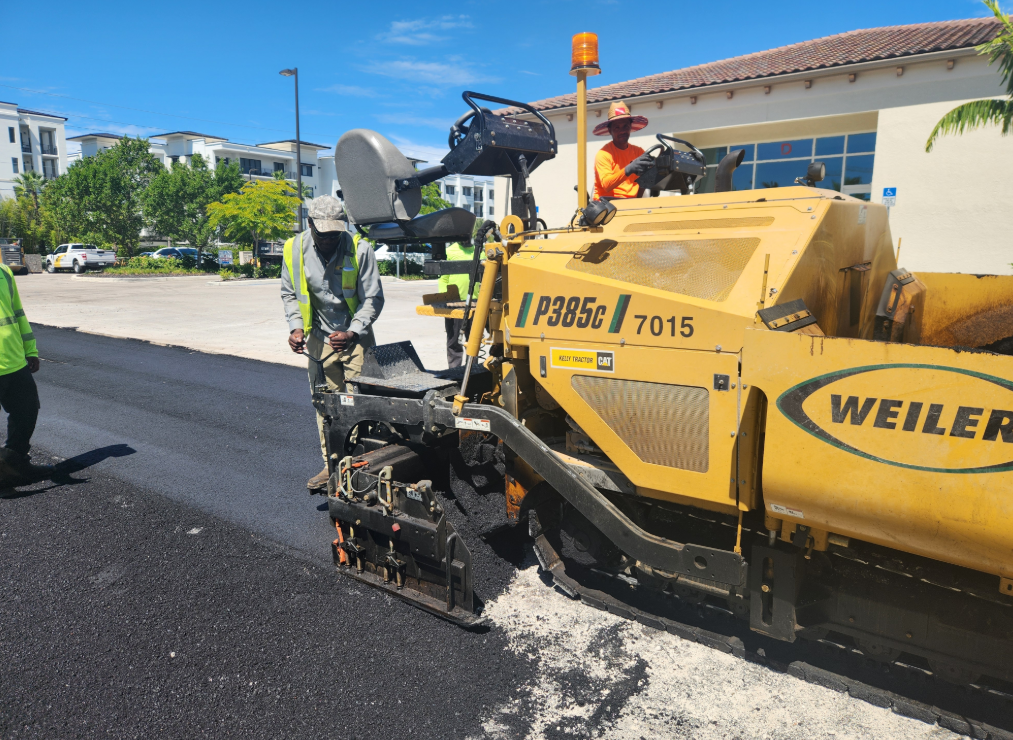
 Use advanced equipment for fast and consistent compaction

Crews also monitor site conditions in real time and are prepared to pause or adjust the process if weather conditions change unexpectedly. This careful, climate-aware approach helps ensure consistent and long-lasting results.

Best Practices for Maintaining Your Asphalt

Even after installation, weather continues to impact asphalt surfaces. Regular maintenance helps protect against the effects of sun exposure and heavy rainfall.

Sealcoating adds a protective layer against ultraviolet rays and moisture intrusion, helping preserve the surface

 Filling cracks and repairing minor damage promptly prevents water from penetrating the base and causing larger issues

Staying proactive with maintenance ensures your asphalt remains durable, safe, and visually appealing throughout the year.

Ready for Weather-Optimized Paving in Naples, FL

When you want reliable results despite challenging weather conditions, work with a team that understands the local climate. Bonness provides expert asphalt paving services in Naples, FL, using proven techniques and modern equipment to deliver long-lasting quality. Contact Bonness today to schedule your project and ensure your pavement is built to withstand the elements. Call us at (239) 597-6221 or fill out our online form to get started.
What Are Birdbaths in Asphalt Pavement?

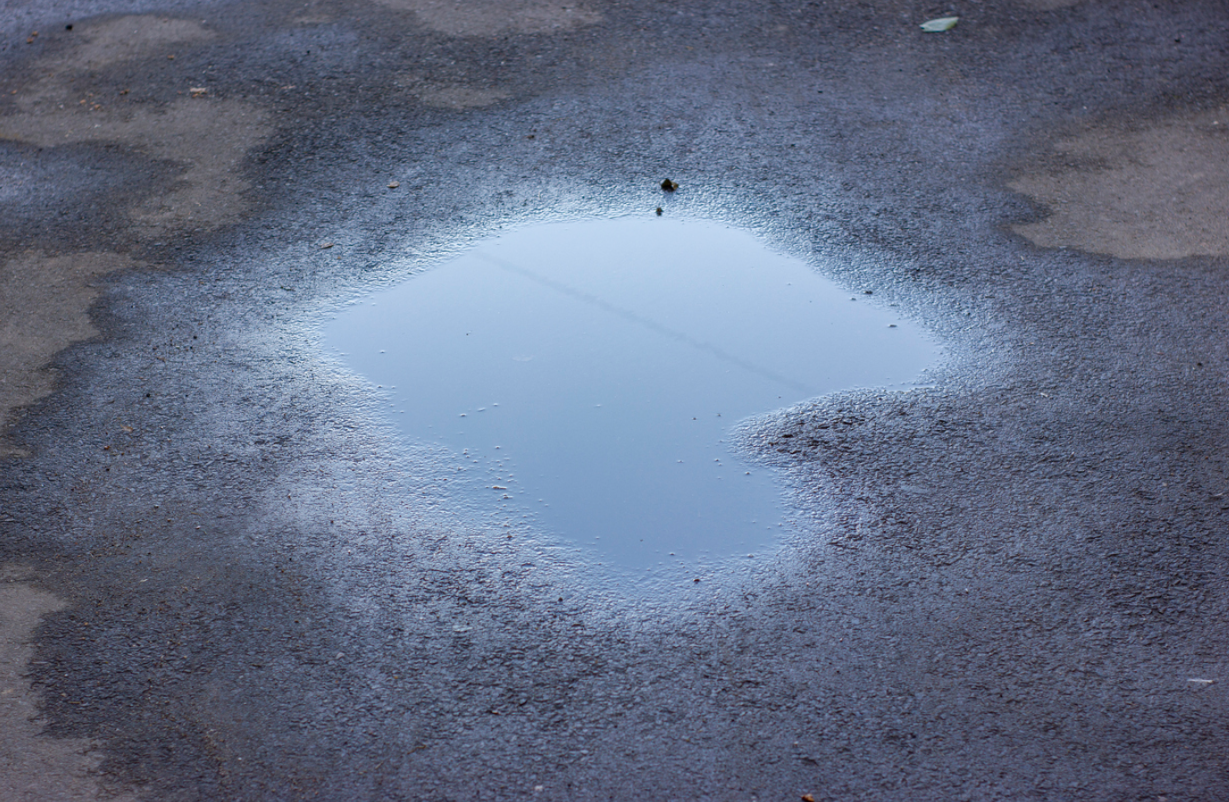
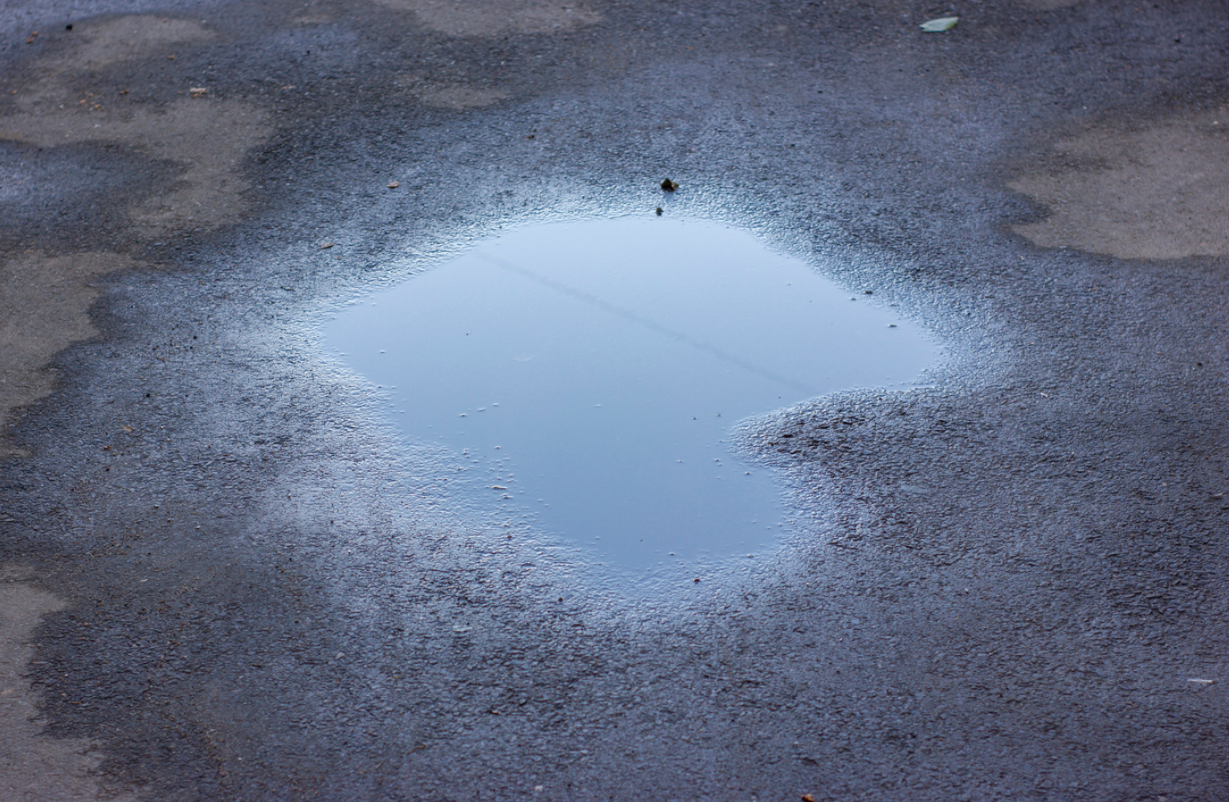
If you own or manage a property in Southwest Florida, especially around Naples, you have likely noticed shallow dips or small puddles that linger on your asphalt surfaces after one of our typical afternoon rains. These subtle depressions are known as “birdbaths” in the world of pavement and driveway construction. While the name may sound innocuous, birdbaths are signs of potential trouble beneath your parking lots or driveways, especially given the area’s unique combination of sandy soils and regular rainfall.

What Are Birdbaths in Asphalt Pavement?

Defining Birdbaths in Asphalt Pavement

A birdbath in asphalt pavement refers to a shallow depression—or gently sloped low spot—where water tends to accumulate and pool for a period of time after precipitation. Unlike potholes, which are deeper and can cause immediate vehicle damage, birdbaths are typically no deeper than the thickness of a nickel yet wide enough to hold water. Their subtlety can cause them to go unnoticed, but their presence is an early indicator of potential problems.

Birdbaths often form on residential driveways, commercial parking lots, and private roads—areas that see both high and low vehicle traffic. This challenge can be more pronounced because of Florida’s sandy native sub-base, which makes soil compaction during driveway construction especially important.

How Birdbaths Form: Causes Relevant to Naples, FL

Several interrelated factors contribute to the formation of birdbaths in asphalt pavement:

  • Insufficient soil compaction before or during paving process
  • Poor drainage or lack of proper pitch and slope
  • Repetitive stress or tire ruts from vehicles following the same path daily
  • Settling of the sandy sub-base beneath the pavement
  • Previous pavement repairs done without correcting grade or drainage

In Naples, heavy seasonal rain exposes any small defects in paving work. Even small imperfections or overlooked drainage pitches during concrete paving or asphalt installations can result in lingering puddles. These minor water pools ultimately cause the binders in asphalt to break down faster than in properly sloped areas.

Why Birdbaths Are Not Just a Cosmetic Problem

Birdbaths cause more than just visual blemishes on your property. Prolonged standing water is a primary enemy of pavement longevity. When water seeps into even minor cracks, it accelerates the deterioration of the pavement sub-base. Over time, especially during Florida’s wet season, this leads to bigger issues such as:

  • Premature asphalt failure requires costly repairs
  • Increased risk for trip-and-fall accidents (a potential liability for property owners)
  • Lingered water that may freeze during rare winter cold snaps, further deteriorating the surface
  • Vehicle tire damage and uncomfortable rides in residential driveways or parking lots

Left untreated, a simple birdbath can eventually develop into potholes or cause more extensive structural failures, especially if the surface continues to settle.

Professional Approaches to Birdbath Repair

The first step in addressing birdbaths is proper assessment. If you notice water collecting on your asphalt more than a few hours after it rains, it may be time to call reputable asphalt paving contractors for a thorough evaluation.

Repair approaches depend on the size and severity of the birdbath. For minor surface depressions, asphalt patching or the application of infrared pavement technology can rebalance the affected area and improve drainage. Larger or multiple birdbaths may require removal and repaving, or even partial reconstruction of the sub-base. Professional contractors in the area are familiar with local soil characteristics and can recommend lasting solutions adapted for Southwest Florida’s climate.

If your driveway or parking area uses both concrete and asphalt, a knowledgeable contractor will ensure that transitions between materials are properly graded to prevent future pooling.

Preventing Birdbaths During Driveway Construction

Prevention is always more cost-effective than repair. When building a new driveway or parking lot, insist on contractors with proven local experience and a strong understanding of site preparation and drainage. Specialists in driveway construction and concrete paving around Naples know to:

  • Properly compact the sandy sub-base using the right equipment
  • Install asphalt with correct pitches to allow immediate runoff
  • Test the grade throughout installation to avoid low spots
  • Use quality materials that withstand local climate conditions

Proper maintenance, such as regular inspections and timely sealcoating, can also prolong the life of your pavement and limit the formation of new birdbaths, especially in areas subject to Florida’s rainfall variability.

Contact Bonness for Lasting Solutions

If you have noticed persistent puddles or shallow dips in your asphalt surfaces, Bonness brings decades of expertise in driveway construction, concrete paving, and as trusted asphalt paving contractors to home and commercial properties throughout Naples, FL. Protect your investment and enhance curb appeal by having our local specialists assess, repair, or prevent birdbaths, ensuring your pavement stands up to Florida’s challenging climate. Give us a call at (239) 597-6221 or fill out our online form to get started.