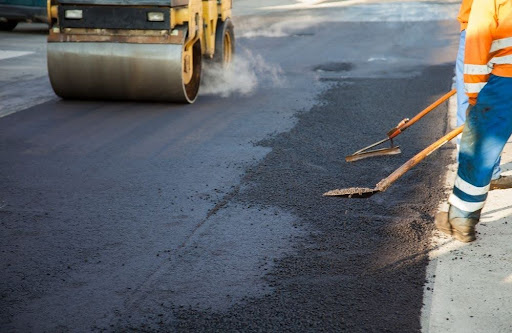
asphalt paving

How the Weather Affects Asphalt Curing and What We Do About It

When planning an asphalt paving project, understanding how the local weather affects asphalt curing is essential for achieving a durable, long-lasting result. From intense summer heat to sudden afternoon rain showers common in Naples, FL, weather plays a pivotal role in both the process and performance of new asphalt surfaces. Knowing what to expect, and how professional asphalt paving contractors adjust their methods for the subtropical climate, ensures your driveway, parking lot, or roadway stands the test of time.

The Critical Role of Temperature in Asphalt Curing

Temperature is one of the most influential factors in asphalt paving projects. The ideal range for laying and curing asphalt is generally between 50°F and 85°F. In Naples, temperatures rarely fall below this threshold, but extreme heat is a frequent challenge.

High midday temperatures, often reaching the 90s during summer, cause asphalt to remain hot and soft for longer than usual. While this may seem beneficial, extended softness shortens the contractor’s working window, making it essential that paving contractors use efficient, professional equipment to ensure the surface is properly compacted before the mix cools. Excessive heat can also lead to premature surface deformation, especially if heavy vehicles are allowed on the pavement before it has fully cured.

Humidity and Rain, The Biggest Threats to Asphalt Performance

Humidity and rain present unique challenges for asphalt curing. High humidity slows the evaporation of moisture in both the base and the asphalt mixture, which can extend overall curing time. When surfaces remain tacky for longer, there is a greater risk of scuffing and surface marks from early use.

Rain is the most significant weather-related disruption. Even a brief shower can halt an asphalt project. Water trapped beneath the surface compromises compaction, weakens the base, and leads to early surface issues such as stripping or cracking. This is why asphalt contractors carefully monitor forecasts and avoid paving during rainy conditions. In Naples, flexible scheduling around frequent storms is essential, and experienced contractors will always prioritize quality over convenience.

How Bonness Addresses Weather Challenges

Local experience plays a key role in overcoming weather-related obstacles. At Bonness, technicians are trained to:

Schedule projects during dry periods, avoiding peak rainy conditions when possible

 Adjust asphalt mixes to suit temperature and humidity levels for optimal performance

 Ensure proper grading and drainage to prevent water accumulation

 Use advanced equipment for fast and consistent compaction

Crews also monitor site conditions in real time and are prepared to pause or adjust the process if weather conditions change unexpectedly. This careful, climate-aware approach helps ensure consistent and long-lasting results.

Best Practices for Maintaining Your Asphalt

Even after installation, weather continues to impact asphalt surfaces. Regular maintenance helps protect against the effects of sun exposure and heavy rainfall.

Sealcoating adds a protective layer against ultraviolet rays and moisture intrusion, helping preserve the surface

 Filling cracks and repairing minor damage promptly prevents water from penetrating the base and causing larger issues

Staying proactive with maintenance ensures your asphalt remains durable, safe, and visually appealing throughout the year.

Ready for Weather-Optimized Paving in Naples, FL

When you want reliable results despite challenging weather conditions, work with a team that understands the local climate. Bonness provides expert asphalt paving services in Naples, FL, using proven techniques and modern equipment to deliver long-lasting quality. Contact Bonness today to schedule your project and ensure your pavement is built to withstand the elements. Call us at (239) 597-6221 or fill out our online form to get started.
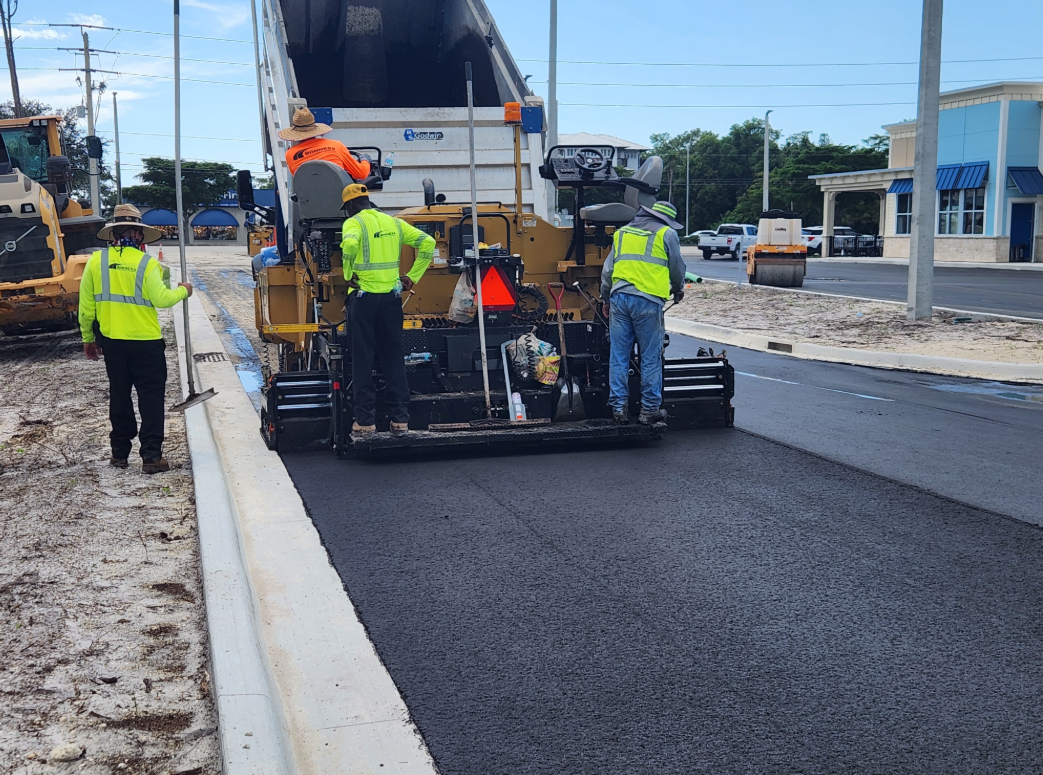
How to Tell If Your Asphalt Is Beyond Saving

Asphalt pavement plays an essential role in maintaining both the curb appeal and the functionality of residential communities, especially those with shared driveways, roadways, and storm drain systems. Its condition affects safety, appearance, and long-term durability. Over time, however, asphalt can deteriorate to the point where repairs are no longer effective. Recognizing when your pavement has reached this stage is especially important in Naples, FL, where heat, humidity, and seasonal storms can accelerate damage. This guide will help you determine when asphalt replacement is the more practical option compared to temporary fixes.

Extensive Cracks and Potholes

When small cracks expand into large fissures and the surface develops numerous potholes, it is often a sign that the asphalt structure has weakened. These defects not only affect the appearance of community roadways and driveways but can also create hazards for vehicles and pedestrians. If cracking and potholes are widespread, repairs may no longer provide long-term stability.

Surface Erosion and Fading

Surface erosion and severe fading indicate the asphalt has deteriorated beyond superficial wear. Intense sun exposure can cause the pavement to lose essential binders, making it brittle and more vulnerable to water intrusion. In residential neighborhoods, this type of wear can compromise drainage flow and lead to further damage during heavy rains.

Age and Durability

The age of your asphalt significantly influences whether it can be repaired or must be replaced. Asphalt pavements in community areas such as shared entrances, drive aisles, or access roads eventually reach the end of their serviceable lifespan. When pavement is approaching this threshold and shows multiple signs of decline, replacement is often the most reliable and durable option.

Significant Depressions and Ruts

Over time, heavy use combined with the Florida climate can lead to depressions and ruts. These distortions can disrupt water flow around storm drains and create standing water, which increases the likelihood of further deterioration. Pronounced depressions often indicate underlying structural issues that cannot be remedied through minor repairs.

When to Contact Professionals

Identifying surface defects is only the first step. Accurately determining the extent of the damage and the appropriate solution requires professional evaluation. An experienced asphalt contractor can assess visible issues while also considering factors that affect long-term performance, including drainage concerns that are especially important for residential communities preparing for future hurricane seasons.

How Bonness Can Help

Bonness understands the unique challenges that asphalt surfaces face in the Naples climate. We provide comprehensive assessments and tailor solutions to meet the needs of residential developments, including driveways, community roadways, and areas surrounding storm drains. Whether you need targeted repairs before issues escalate or complete replacement, our goal is to deliver durable and long-lasting pavement solutions.

Take the Next Step

If you are noticing these signs of asphalt deterioration on your property in Naples, FL, contact Bonness at (239) 597-6221 or fill out our online form to schedule a consultation. Our experienced team will help you determine the best approach to ensure your community’s roadways and paved surfaces remain safe, functional, and ready for future seasons.

6 Types of Asphalt Pavement Cracks: Causes and Fixes

Asphalt pavements, whether in residential communities, new developments, or commercial areas, provide safe and reliable surfaces for vehicles and pedestrians. Driveways, roadways, and storm drain access points all rely on strong asphalt surfaces to perform well year-round. However, over time, these surfaces can develop cracks due to traffic, weather changes, or drainage problems. For communities in Southwest Florida, keeping asphalt in good condition is especially important to prepare for heavy rains and hurricane seasons.

1. Alligator Cracking

Alligator cracking, also known as fatigue cracking, appears as a series of interconnected cracks resembling an alligator’s skin. This damage is often caused by insufficient pavement thickness, poor subgrade support, or water infiltration. In residential communities, untreated alligator cracking can quickly compromise driveways and neighborhood roadways. The best fix involves removing the damaged section, addressing the base issues, and installing new asphalt.

2. Block Cracking

Block cracking forms large, square or rectangular patterns across the pavement. It typically results from temperature changes or an asphalt mix not suited for local conditions, rather than heavy traffic. If left untreated, these cracks can allow stormwater to seep in, further weakening pavement near storm drains or community roads. Repairs involve cleaning and sealing the cracks to protect against water penetration.

3. Edge Cracking

Edge cracks develop along the outer edges of pavement, often caused by poor drainage, lack of support, or vegetation growth. For residential developments, this type of cracking is especially common along driveways or community roadways bordered by landscaping. Fixes include improving drainage and edge support, then sealing the cracks to keep water from making the damage worse.

4. Slippage Cracks

Slippage cracks are crescent-shaped and signal that the surface layer has shifted due to a weak bond with the base layer. This type of damage can be particularly hazardous in community parking areas where frequent braking and turning occur. Repairs involve removing the compromised asphalt, re-establishing proper adhesion between layers, and installing new asphalt.

5. Reflection Cracks

Reflection cracks occur when a new asphalt overlay is placed on older pavement that already has cracks. These cracks resurface on the new layer, often seen on residential roadways where overlays are used as cost-effective repairs. Solutions include installing a fabric or mesh between pavement layers and applying a new overlay to minimize cracking.

6. Longitudinal and Transverse Cracks

Longitudinal cracks run parallel to the pavement centerline, while transverse cracks run across it. These result from temperature-driven expansion and contraction, poor joints, or base movement. For communities, these cracks can lead to water intrusion, which weakens roads and stormwater systems over time. Crack sealing is the best solution to protect against further damage.

Get Expert Asphalt Repair Services in Naples, FL

Maintaining community roadways, driveways, and storm drains is essential for safety, storm preparedness, and protecting long-term investments in residential developments. If your community in Naples, FL, or surrounding areas is facing asphalt cracking, trust Bonness for professional assessment and repair. Call us today at (239) 597-6221 or fill out our online form to schedule service. Our team provides durable solutions to help neighborhoods stay prepared for future hurricane seasons.

Understanding Asphalt Paving Delamination

In residential communities, maintaining safe and durable driveways, roadways, and storm drains is essential, especially when preparing for future hurricane seasons. One issue that can compromise these surfaces is asphalt paving delamination. This problem not only affects the appearance of paved areas but also weakens their structure, leading to safety hazards, further deterioration, and costly repairs if not addressed promptly.

What Is Asphalt Surface Delamination?

Asphalt delamination occurs when the top layer of asphalt separates from the layer beneath it. This separation may appear as peeling, cracking, or lifting of the surface. Once this happens, water can seep into the pavement, worsening the damage and potentially leading to potholes, base failure, and erosion of the surrounding area.

Causes of Delamination in Asphalt Surfaces

Several factors can cause asphalt delamination:

  1. Poor Bonding Between Layers Inadequate or missing tack coat application prevents the new asphalt layer from properly bonding to the existing one.  
  2. Moisture Contamination Water trapped between layers during installation interferes with bonding, which is especially problematic in Florida’s humid climate.  
  3. Improper Laying Conditions Asphalt must be applied and compacted at the right temperature. If it cools too much before compaction, the layers will not adhere correctly.  
  4. Presence of Debris Dust, dirt, or loose aggregate left on the surface can prevent strong adhesion between layers.  
  5. Overuse of Recycled Materials While recycled asphalt can be sustainable, improper handling can weaken the bond between layers.

Fixing and Preventing Asphalt Delamination

For Repairs

Delaminated asphalt can be addressed through localized repairs or resurfacing:

  • Localized repairs involve removing the damaged section, cleaning the base, applying a proper tack coat, and replacing the asphalt.  
  • Resurfacing may be needed for widespread issues, which includes milling, base correction, and applying a new asphalt layer with proper bonding.

Preventative Measures

  1. Apply a Quality Tack Coat – Ensure even coverage to maximize bonding strength.  
  2. Maintain Proper Temperatures – Asphalt should be applied and compacted while still hot, avoiding cool or wet conditions.  
  3. Prepare Surfaces Correctly – Keep the base clean and free of moisture, dust, or debris.  
  4. Choose Experienced Contractors – Professionals with knowledge of local conditions and best practices can help minimize delamination risks.

Why Trust Bonness for Your Asphalt Needs

At Bonness, we deliver reliable asphalt paving solutions designed for the unique environmental conditions of Naples, FL. Our skilled team uses top-quality materials and proven techniques to ensure that driveways, roadways, and storm drains remain durable and long-lasting. By focusing on proper installation and preventative care, we help residential communities avoid problems like delamination and preserve their investments for years to come.

If you’re dealing with delamination or want to prevent it in your next project, contact Bonness today. Call us at (239) 597-6221 or fill out our online form. Our experts are ready to provide safe, lasting asphalt solutions tailored to your needs in Naples, FL.

How Asphalt Paving Benefits HOAs

Homeowners Associations (HOAs) play a crucial role in maintaining the aesthetic and safety standards of residential communities. A significant part of this responsibility includes choosing the right materials for community roads, parking areas, walkways, and driveway construction. Asphalt paving stands out as an advantageous solution for HOAs, offering a blend of durability, cost-effectiveness, and aesthetic appeal. In this article, Bonness explores how asphalt paving can benefit HOAs and why it’s a preferred choice for keeping communities attractive and functional.