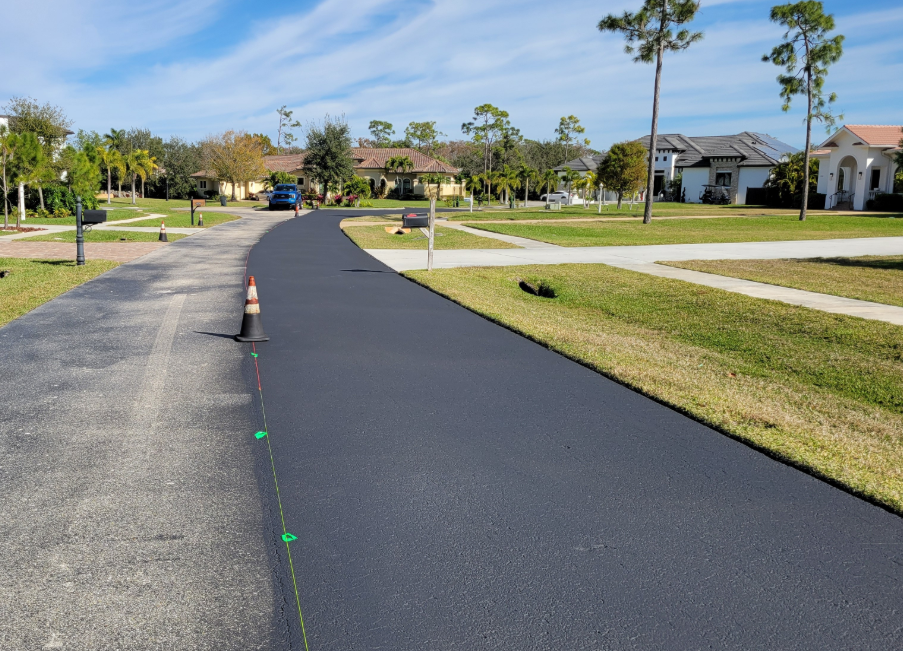
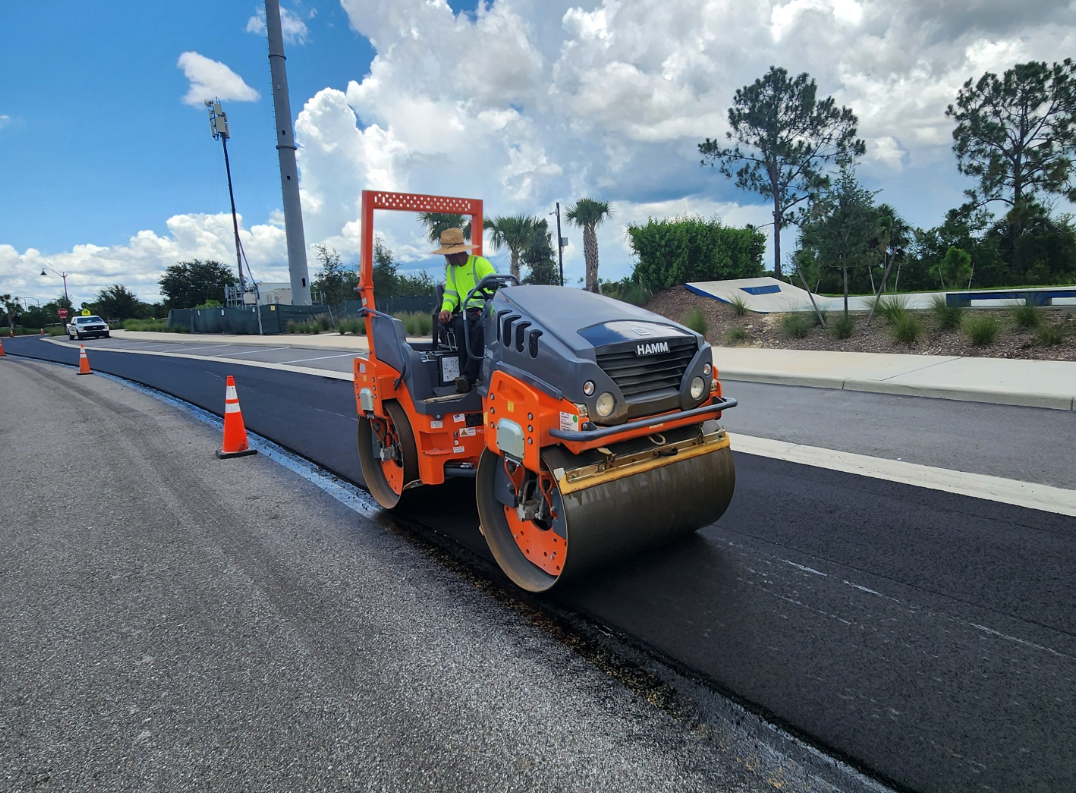
Asphalt Maintenance

How Asphalt Maintenance Can Save Your Business

As a business owner, property manager, or facilities director in Southwest Florida, you understand how critical it is to manage expenses while maintaining the value and safety of your property. Regular asphalt maintenance is one of the most effective strategies for extending pavement lifespan, reducing downtime, and avoiding costly repairs. Partnering with trusted driveway contractors helps protect your investment over the long term, especially when compared to the risks and expenses that come with neglect.

How Asphalt Maintenance Can Save Your Business

Understanding Long-Term Value Versus Upfront Costs

Many businesses in Naples focus primarily on the upfront cost when considering new pavement or repairs. While asphalt installation typically has a lower initial price compared to concrete, the real value lies in how long the surface serves your property with minimal disruption.

Choosing the cheapest installation or neglecting ongoing maintenance often leads to premature issues such as cracks, potholes, and uneven surfaces. These problems require more extensive repairs or even early replacement. A properly installed and well-maintained asphalt surface can last decades, while neglected pavement may fail much sooner.

Reduced Repair and Liability Risks

Routine asphalt maintenance—such as crack filling and timely pothole repair—addresses small issues before they develop into more serious problems. In Naples’ subtropical climate, heavy rain and frequent use can quickly worsen minor damage.

Poorly maintained pavement also creates safety hazards, increasing the risk of vehicle damage or pedestrian accidents. If a customer or employee trips on uneven pavement, it can lead to legal claims, medical expenses, and higher insurance premiums. Businesses across Southwest Florida have faced significant liability challenges due to unsafe surfaces, many of which could have been prevented with consistent upkeep.

Extending Pavement Lifespan With Professional Maintenance

Hiring licensed, experienced driveway contractors ensures proper site preparation, reliable grading, and high-quality asphalt mixes suited for the local climate. Professionals tailor their approach to withstand humidity, salt air, and heavy rainfall, improving drainage and reducing the risk of water infiltration—the leading cause of asphalt deterioration.

Regular maintenance typically includes:

  • Periodic inspections
  • Prompt crack and pothole management
  • Drainage evaluations

This proactive approach helps prevent the kind of structural damage that leads to major repairs. With consistent care, your asphalt surfaces can last significantly longer, providing long-term value and stability for your property.

Comparing Asphalt and Concrete: What’s Right for Your Budget?

Asphalt installation is generally more cost-effective than concrete and offers greater flexibility, making it more resistant to shifting and cracking during Florida’s weather fluctuations. Repairs are also faster and simpler, allowing businesses to resume normal operations with minimal downtime.

Many commercial clients in Naples find that well-maintained asphalt surfaces require fewer large-scale interventions compared to concrete. Instead of frequent tear-outs or major rebuilds, most needs can be addressed through efficient, targeted maintenance.

Boosting Curb Appeal and Property Value

Your parking lot or driveway is one of the first things customers and partners see when they visit your business. A smooth, well-maintained asphalt surface enhances curb appeal and reflects professionalism. On the other hand, worn or damaged pavement can detract from your property’s appearance and even discourage potential clients, especially in high-visibility areas.

Ready to Protect Your Investment?

If you want to maximize your return on investment and avoid costly surprises, partner with a local team that understands Southwest Florida’s unique conditions. Bonness offers a comprehensive range of asphalt paving services, using advanced techniques and materials that ensure your asphalt surfaces remain durable, attractive, and safe. Reach out today to schedule a consultation anywhere in Naples, FL, and discover how a proactive maintenance plan can benefit your business for years to come. Give us a call at (239) 597-6221 or fill out our online form to get started.

What Are Birdbaths in Asphalt Pavement?

If you own or manage a property in Southwest Florida, especially around Naples, you have likely noticed shallow dips or small puddles that linger on your asphalt surfaces after one of our typical afternoon rains. These subtle depressions are known as “birdbaths” in the world of pavement and driveway construction. While the name may sound innocuous, birdbaths are signs of potential trouble beneath your parking lots or driveways, especially given the area’s unique combination of sandy soils and regular rainfall.

What Are Birdbaths in Asphalt Pavement?

Defining Birdbaths in Asphalt Pavement

A birdbath in asphalt pavement refers to a shallow depression—or gently sloped low spot—where water tends to accumulate and pool for a period of time after precipitation. Unlike potholes, which are deeper and can cause immediate vehicle damage, birdbaths are typically no deeper than the thickness of a nickel yet wide enough to hold water. Their subtlety can cause them to go unnoticed, but their presence is an early indicator of potential problems.

Birdbaths often form on residential driveways, commercial parking lots, and private roads—areas that see both high and low vehicle traffic. This challenge can be more pronounced because of Florida’s sandy native sub-base, which makes soil compaction during driveway construction especially important.

How Birdbaths Form: Causes Relevant to Naples, FL

Several interrelated factors contribute to the formation of birdbaths in asphalt pavement:

  • Insufficient soil compaction before or during paving process
  • Poor drainage or lack of proper pitch and slope
  • Repetitive stress or tire ruts from vehicles following the same path daily
  • Settling of the sandy sub-base beneath the pavement
  • Previous pavement repairs done without correcting grade or drainage

In Naples, heavy seasonal rain exposes any small defects in paving work. Even small imperfections or overlooked drainage pitches during concrete paving or asphalt installations can result in lingering puddles. These minor water pools ultimately cause the binders in asphalt to break down faster than in properly sloped areas.

Why Birdbaths Are Not Just a Cosmetic Problem

Birdbaths cause more than just visual blemishes on your property. Prolonged standing water is a primary enemy of pavement longevity. When water seeps into even minor cracks, it accelerates the deterioration of the pavement sub-base. Over time, especially during Florida’s wet season, this leads to bigger issues such as:

  • Premature asphalt failure requires costly repairs
  • Increased risk for trip-and-fall accidents (a potential liability for property owners)
  • Lingered water that may freeze during rare winter cold snaps, further deteriorating the surface
  • Vehicle tire damage and uncomfortable rides in residential driveways or parking lots

Left untreated, a simple birdbath can eventually develop into potholes or cause more extensive structural failures, especially if the surface continues to settle.

Professional Approaches to Birdbath Repair

The first step in addressing birdbaths is proper assessment. If you notice water collecting on your asphalt more than a few hours after it rains, it may be time to call reputable asphalt paving contractors for a thorough evaluation.

Repair approaches depend on the size and severity of the birdbath. For minor surface depressions, asphalt patching or the application of infrared pavement technology can rebalance the affected area and improve drainage. Larger or multiple birdbaths may require removal and repaving, or even partial reconstruction of the sub-base. Professional contractors in the area are familiar with local soil characteristics and can recommend lasting solutions adapted for Southwest Florida’s climate.

If your driveway or parking area uses both concrete and asphalt, a knowledgeable contractor will ensure that transitions between materials are properly graded to prevent future pooling.

Preventing Birdbaths During Driveway Construction

Prevention is always more cost-effective than repair. When building a new driveway or parking lot, insist on contractors with proven local experience and a strong understanding of site preparation and drainage. Specialists in driveway construction and concrete paving around Naples know to:

  • Properly compact the sandy sub-base using the right equipment
  • Install asphalt with correct pitches to allow immediate runoff
  • Test the grade throughout installation to avoid low spots
  • Use quality materials that withstand local climate conditions

Proper maintenance, such as regular inspections and timely sealcoating, can also prolong the life of your pavement and limit the formation of new birdbaths, especially in areas subject to Florida’s rainfall variability.

Contact Bonness for Lasting Solutions

If you have noticed persistent puddles or shallow dips in your asphalt surfaces, Bonness brings decades of expertise in driveway construction, concrete paving, and as trusted asphalt paving contractors to home and commercial properties throughout Naples, FL. Protect your investment and enhance curb appeal by having our local specialists assess, repair, or prevent birdbaths, ensuring your pavement stands up to Florida’s challenging climate. Give us a call at (239) 597-6221 or fill out our online form to get started.

How Oil and Gas Spills Hurt Asphalt Paving

Asphalt paving, a popular choice for driveways, roadways, and parking lots in Naples, FL, is valued for its durability, smooth finish, and ability to handle heavy traffic. Despite its strength, asphalt is not impervious to damage. Among the most harmful threats are oil and gas spills. What may seem like a minor accident can have significant, long-term effects on asphalt, compromising both its structural integrity and appearance. Understanding the impact of these spills is essential for effective maintenance and longevity.

How Oil and Gas Spills Hurt Asphalt Paving

Asphalt’s Structure and Vulnerability

Asphalt consists of aggregates such as sand, gravel, and stone, bound together by bitumen, a petroleum-based binder. This composition gives asphalt its flexibility and strength. However, asphalt’s porous nature makes it susceptible to oil and gas spills. Because bitumen and petroleum products share chemical properties, exposure can weaken the bond between the aggregates and binder, reducing the asphalt’s durability and making it prone to damage over time.

The Science Behind Oil and Gas Damage

Vehicle oil leaks are the most common culprits. When oil penetrates the asphalt, it deteriorates the bitumen, softening the surface and increasing vulnerability to cracks, depressions, and potholes. Dark stains often serve as a visual cue for underlying structural damage. Other chemical spills, including gasoline, antifreeze, and solvents, present similar risks, breaking down the asphalt binder and causing pitting, aggregate loss, and eventual failure of the pavement surface.

Prevention and Immediate Response

Quick response to spills is critical in minimizing damage. Absorbent materials such as cat litter or sawdust can initially contain the spill, followed by a thorough cleaning with proper asphalt-safe cleaners. Regular maintenance, including sealcoating, adds a protective layer that resists oil, gas, and chemical penetration, extending the life of your asphalt. Sealcoating should be reapplied every two to three years, depending on exposure and environmental conditions.

DIY and Professional Repair Solutions

Minor damage may be addressed with DIY repair kits that fill cracks and seal the surface, preventing further deterioration. For more extensive damage, professional intervention is recommended. Experts can assess the severity, determine the underlying cause, and apply the most effective repair methods, including patching, resurfacing, or complete replacement.

A Proactive Approach to Asphalt Care

Being proactive with asphalt maintenance can significantly reduce the impact of oil and gas spills. Regular inspections, using drip pans or mats under vehicles, and immediate cleanup of spills help preserve asphalt surfaces. Consistent maintenance protects both the appearance and structural integrity of asphalt, saving time and money in the long term.

Ready to Protect Your Asphalt in Naples, FL?

Oil and gas spills can quickly compromise your driveway, roadway, or parking lot if not addressed properly. Bonness specializes in professional asphalt maintenance and repair, ensuring your surfaces remain durable, functional, and visually appealing. For residents and property managers in Naples, FL, contact us at (239) 597-6221 or fill out our online form to schedule an inspection or service. Let our expertise safeguard your asphalt investment.

The Hidden Costs of Waiting to Repair Your Asphalt

Whether it’s a driveway, roadway, or parking lot, asphalt is constantly exposed to elements that can accelerate its deterioration, including UV rays, water, temperature fluctuations, and heavy traffic. Often, small issues like minor cracks or potholes are overlooked, with maintenance deferred to a future to-do list. However, delaying repairs can lead to significant hidden costs, affecting both your budget and the long-term integrity of your property. Here’s why timely asphalt maintenance is essential, particularly for residential communities preparing driveways, roadways, and storm drains for future use.

The Hidden Costs of Waiting to Repair Your Asphalt

Increased Damage and Repair Costs

Minor asphalt issues can quickly escalate into expensive repairs if left unaddressed. Small cracks can expand and deepen as water penetrates the surface and freeze-thaw cycles occur, eventually compromising the pavement’s base. Once the foundation is affected, simple patching is no longer sufficient, often requiring more extensive interventions. Early repairs preserve the structural integrity of your asphalt and prevent larger, more costly problems in the future.

Liability and Safety Risks

Neglected asphalt surfaces are more than an eyesore; they can pose serious safety hazards. Cracks and potholes create tripping risks for pedestrians and can damage vehicles. For residential communities and commercial properties, this translates to increased liability, with potential insurance and legal complications following accidents that could have been prevented through proper maintenance. Keeping asphalt in good condition helps protect residents, visitors, and property owners alike.

Negative Impact on Curb Appeal

The appearance of your property plays a crucial role in first impressions. Whether it’s a residential community, parking lot, or private driveway, poorly maintained asphalt diminishes curb appeal and can affect property value. Regular upkeep ensures your pavement looks clean and inviting, contributing positively to the overall aesthetic of the property and maintaining its attractiveness for residents and visitors.

Cost-Effectiveness of Timely Repairs

Addressing asphalt problems early is far more cost-effective than waiting for damage to worsen. Timely maintenance prevents the spread of cracks and potholes, reduces the scope of future repairs, and extends the lifespan of the pavement. Well-maintained asphalt surfaces require fewer major interventions over time, providing long-term value for property owners and minimizing disruptions to the community.

How Often Should You Inspect and Repair Asphalt?

The frequency of repairs depends on the age of your asphalt, the volume and type of traffic, and local climate conditions. Annual inspections, ideally in the spring, are recommended to assess winter damage and prepare for the remainder of the year. High-traffic areas, such as community roadways or shared parking areas, may require more frequent attention to prevent small issues from becoming larger problems.

Conclusion

Delaying asphalt repairs may seem convenient in the short term, but it inevitably leads to higher costs, increased safety risks, and potential legal complications. Prompt maintenance preserves the integrity and appearance of your pavement, enhances safety, and provides significant long-term value for residential communities and property owners.

Ready to Address Your Asphalt Repair Needs?

If your property in Naples, FL, requires professional asphalt repair or maintenance services, don’t wait until small issues escalate. Bonness offers comprehensive solutions for driveways, roadways, and storm drains, ensuring your asphalt is safe, durable, and ready for future use. Contact us at (239) 597-6221 or fill out our online form to schedule an inspection or service. Our experts are committed to maintaining the integrity, functionality, and appearance of your asphalt surfaces for years to come.

What You Need to Know About Asphalt Alligator Cracking

Asphalt alligator cracking is a common pavement issue that signals structural failure beneath the surface. Although it resembles the pattern of alligator skin, the problem goes far beyond appearance. For residential communities, HOAs, and new developments, recognizing and addressing this form of cracking is essential for maintaining safe, reliable driveways and roadways, especially as properties prepare for future hurricane seasons.

Understanding Asphalt Alligator Cracking

Alligator cracking appears as a network of interconnected fissures that form a scale-like pattern. This typically indicates deeper structural distress, including weakened base layers or long-term strain on the pavement. Unlike isolated surface cracks, alligator cracking suggests that the pavement can no longer properly distribute loads, which requires timely attention to prevent larger failures.

Causes of Alligator Cracking

Effective prevention and repair begin with understanding the most common causes of this issue:

1. Heavy Traffic Loads

Residential and commercial pavements that experience frequent or excessive loading can deteriorate rapidly. When asphalt is not designed to handle heavy or repetitive vehicle traffic, the surface may begin to fatigue and crack.

2. Improper Installation Techniques

A pavement’s long-term performance depends heavily on quality installation. Insufficient compaction or improper layering during construction can weaken the pavement structure from the start, making it more likely to develop alligator cracking later on.

3. Subgrade Failure

The subgrade supports the entire pavement system. If it is compromised by moisture, inadequate compaction, or poor soil stability, the asphalt above it can no longer function as intended, often resulting in widespread cracking patterns.

4. Aging and Oxidation

As asphalt ages, the binder becomes brittle due to prolonged exposure to sunlight and oxygen. This loss of flexibility makes the pavement more prone to cracking when stressed.

5. Inadequate Drainage Systems

Poor drainage can accelerate pavement deterioration. When water infiltrates the base or subgrade, it weakens the structure and increases the likelihood of alligator cracking. For residential communities, maintaining effective drainage is essential for protecting roadways and reducing future repair needs.

Preventive Measures and Repairs

The best approach to managing alligator cracking is proactive maintenance. Key strategies include:

  • Limiting excessive vehicle loading when possible.  
  • Repairing small cracks promptly to keep them from expanding.  
  • Ensuring drainage systems remain in good working order to prevent water intrusion.  
  • Using high-quality asphalt materials for patching and resurfacing.  

Communities preparing for hurricane season should pay particular attention to drainage conditions and existing pavement defects. Addressing problems early helps improve roadway resilience and reduces the risk of larger structural failures later.

How Bonness Can Help

Bonness provides professional evaluations and repairs for asphalt surfaces showing signs of alligator cracking. Our team identifies both visible damage and the underlying conditions contributing to pavement fatigue. We also offer preventative maintenance solutions designed to support long-term durability for residential community roadways, driveways, and related infrastructure.

Contact Bonness for Expert Asphalt Repairs

Do not let alligator cracking compromise the safety or appearance of your pavement. Contact Bonness today to schedule a consultation in Naples, FL. Call (239) 597-6221 or complete our online form for professional guidance and effective repair solutions that protect your investment.