

When you look at your driveway or parking lot and notice a pattern of cracks resembling snake or alligator skin, you are seeing more than simple wear and tear. This web-like cracking, often referred to as alligator cracking, is a common yet serious form of asphalt pavement distress. It not only affects the appearance of your property but also signals underlying structural issues that can lead to more extensive damage if left unaddressed.
What Causes Alligator or “Snake Skin” Cracking?
Alligator cracking forms when the pavement can no longer withstand stresses from traffic, the environment, or construction deficiencies. Common causes include:
- Overloading: Driveways and small parking lots often are not designed for frequent or heavy truck traffic. Repeated weight from delivery trucks, RVs, or service vehicles can push the asphalt beyond its designed capacity.
- Subpar Subbase or Foundation: If driveway construction did not include proper grading, compaction, or high-quality base aggregates, the subbase may shift or erode over time. When the foundation weakens, the asphalt surface flexes and cracks.
- Poor Drainage: Florida’s rainy season can saturate the ground. When water infiltrates the base layer due to inadequate drainage, soil weakens, leading to pavement instability and cracking.
- Aging and Sun Exposure: Direct sunlight and high temperatures year-round accelerate the breakdown of the asphalt binder. As asphalt loses flexibility, it becomes brittle and is more likely to crack under load.
- Quality of Materials and Workmanship: Choosing the right asphalt paving contractors is crucial. Inferior materials or poor application techniques reduce the pavement’s resistance to cracking.
Why This Damage Demands Immediate Action
Snake-skin or alligator cracking is never just a cosmetic problem. It is a visible indicator that the pavement structure beneath the asphalt is failing. Ignoring this issue allows water to further erode the base. Without intervention, these cracks will widen, pieces of asphalt will break loose, and potholes will form.
In addition to creating hazards for cars and pedestrians, widespread cracks allow weeds to grow and moisture to seep deeper, increasing the scope and cost of repairs. This problem typically cannot be fixed with surface patches alone, so early professional assessment is highly recommended.
How to Fix Alligator Cracking in Naples, FL
Effective repairs begin with a professional evaluation to determine the severity and extent of the cracking. Standard options include:
- Minor, Early-Stage Cracking: Localized patching is possible for smaller areas. This process includes removing the cracked asphalt, repairing the subbase, installing new hot-mix asphalt, and sealing the edges to prevent water intrusion.
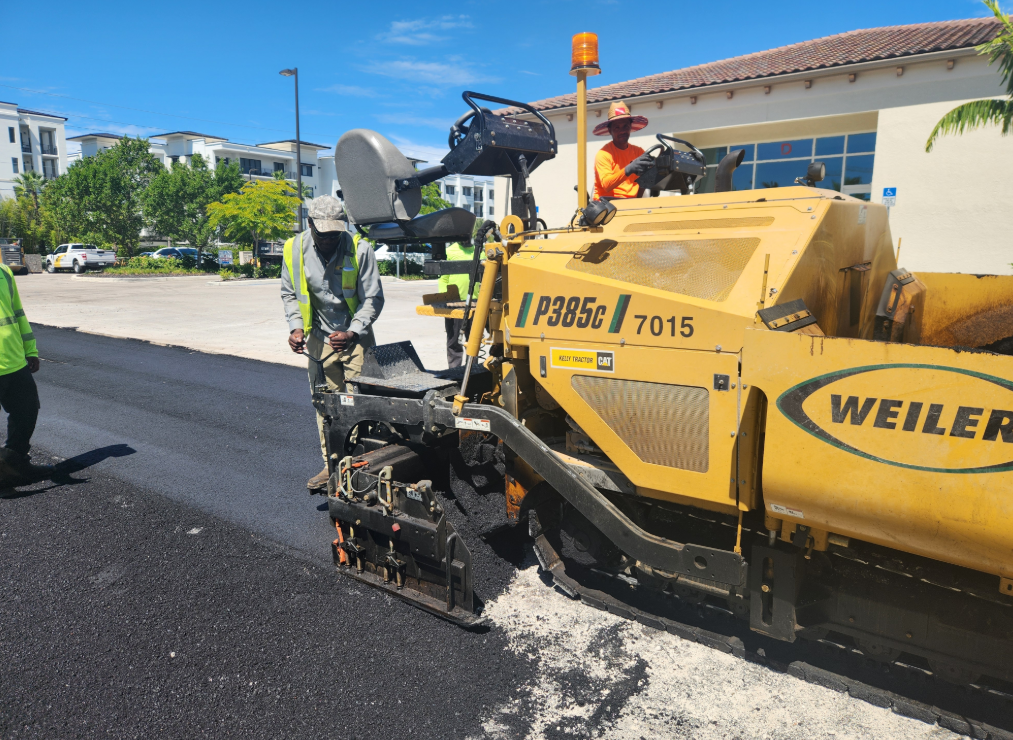
- Moderate to Severe Damage: Larger, widespread cracking may require full-depth repair. This involves excavating the failing layers, rebuilding the base, and repaving with quality asphalt.
- Extensive or Recurrent Issues: If water drainage repeatedly undermines the pavement, correcting the drainage system or redesigning the grading may be necessary. In some cases, upgrading to concrete paving for high-stress sections may provide greater long-term durability.
Tips to Prevent Future Cracking
Prevention is key to extending the lifespan of your driveway construction or parking lot investment:
- Ensure new pavement is built with a properly engineered base and adequate thickness for expected traffic.
- Schedule routine maintenance, including professional sealing every few years, to protect against sun, rain, and oxidation.
- Address drainage issues promptly after heavy rains.
- Rely on reputable asphalt paving contractors with a track record in Southwest Florida, like Bonness.
Get Professional Assessment and Repair in Naples, FL
If your asphalt is showing snake skin or alligator cracks, Bonness can help restore and protect your investment. Our team specializes in diagnosing, repairing, and rebuilding pavement surfaces using proven techniques and high-quality materials designed for Florida’s climate. Whether you need full-depth repair, improved drainage, or guidance on concrete paving versus asphalt, trust our experts to deliver lasting results. Contact us today for an honest assessment and a solution tailored to your property. Call us at (239) 597-6221 or complete our online form to begin.
Recent Comments