
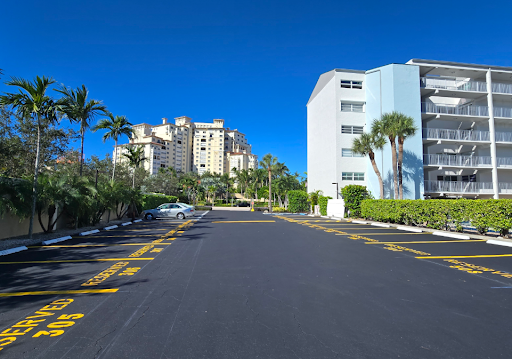
In growing residential developments, maintaining well-constructed and durable asphalt pavements is vital for both safety and long-term community upkeep. One of the most common issues affecting neighborhood roads, driveways, and common areas is rutting, a type of pavement distress that appears as depressions or grooves in wheel paths. Rutting not only impacts the appearance of paved surfaces but also creates potential hazards for vehicles and drainage systems, especially when heavy rains or hurricanes occur. Understanding the causes, effects, and prevention of rutting helps community associations, developers, and maintenance teams safeguard their infrastructure year-round.
The Root Causes of Rutting
Rutting in asphalt pavement can result from several underlying factors, including subgrade instability, insufficient subbase thickness, and improper asphalt mix design. When the subgrade beneath the pavement shifts or fails to support consistent traffic loads, the asphalt above it begins to deform. Similarly, a subbase that lacks adequate thickness or compaction cannot evenly distribute the weight of vehicles, leading to ruts over time. Poor asphalt mix composition such as incorrect binder ratios or aggregate sizes also contributes to rutting, particularly when exposed to high temperatures or frequent vehicle traffic.
Impacts and Concerns Associated with Rutting
For residential communities, rutting affects more than just curb appeal. These surface depressions can reduce the lifespan of neighborhood roads and driveways while increasing the need for costly repairs. During periods of heavy rainfall or hurricanes, ruts can trap water and worsen drainage problems, leading to standing water, erosion, or flooding around storm drains. Over time, this can compromise safety for residents and emergency vehicles while placing additional strain on community maintenance budgets.
Key Strategies to Mitigate Rutting
1. Ensure Subgrade and Subbase Integrity
A strong and properly compacted foundation is essential to preventing rutting. Stabilizing and compacting the subgrade and subbase layers ensures they can bear the loads placed on the asphalt surface. This solid foundation supports longer-lasting pavement performance, even under the demanding conditions of Florida’s wet and hot climate.
2. Optimize Asphalt Mix Design
An asphalt mix that strikes the right balance between stiffness and flexibility can better resist deformation under heavy traffic or high temperatures. Using high-quality aggregates, proper binder content, and performance-enhancing additives strengthens the pavement structure and helps it endure prolonged exposure to heat and moisture.
3. Maintain Effective Drainage Systems
Proper drainage is one of the most critical aspects of pavement longevity. Communities should ensure that storm drains, gutters, and swales are kept clear to prevent water from accumulating on or beneath the pavement surface. Standing water accelerates rutting and other forms of pavement distress, particularly during hurricane season.
4. Commit to Proactive Maintenance
Routine inspections and timely repairs can help identify small surface depressions before they worsen. Sealcoating, crack filling, and patching are effective ways to protect residential roads and driveways from early deterioration. Proactive maintenance not only preserves the pavement’s appearance but also ensures safer and more reliable access for residents and service vehicles.
5. Use Modern Pavement Technologies
Modern materials such as polymer-modified asphalt and geosynthetic reinforcements offer enhanced durability and stability. Implementing these technologies in residential community projects can significantly improve the pavement’s resistance to rutting and extend its overall lifespan.
Partner with a Trusted Asphalt Expert in Naples, FL
At Bonness, we understand the unique challenges that residential communities face in maintaining safe and reliable paved surfaces, especially in preparation for future hurricane seasons. Our team offers professional pavement construction, resurfacing, and maintenance services to help protect your investment and keep your neighborhood roads and storm drains functioning effectively.
Contact Bonness today to schedule your consultation or maintenance assessment. Call us at (239) 597-6221 or fill out our online form to get started. Let us help your Naples, FL community stay prepared with strong, durable, and well-maintained asphalt surfaces.

Recent Comments