

Having your driveway or private road paved is an exciting improvement that can dramatically boost curb appeal and property value. Knowing what happens on paving day ensures a smooth, successful project. From the moment paving contractors arrive to the first hours after the work is done, here’s what you should expect.
Pre-Paving Preparations: Setting the Stage
The process starts well before the hot mix arrives. Your paving team will arrive early, review the project scope, and confirm site conditions. As the homeowner, you should:
- Move all vehicles, pots, and outdoor furniture away from the work area.
- Ensure access to gates and pathways for crews and equipment.
- Secure pets and notify neighbors if necessary.
Bonness’ crews are trained to protect existing landscaping and minimize disturbance. In Naples, the sandy soils and subtropical climate influence timing, with early morning starts common to avoid midday heat. Communication is clear so you always know what to expect, and the team walks the site with you to answer any last-minute questions.
Step-by-Step: The Asphalt Paving Process
The heart of paving day is a well-orchestrated sequence. Bonness follows these critical steps:
- Site Grading and Base Preparation- Crews begin by fine-tuning the subgrade, ensuring proper slope for drainage. Managing water runoff is essential to prevent future cracks or standing water. Grading is adjusted using specialized equipment to create a stable, level base.
- Base Layer Installation- A robust base layer—often compacted aggregate—is installed and compacted. The quality of this foundation determines the longevity of your surface, especially in areas with seasonal rains.
- Asphalt Installation- Fresh hot mix asphalt arrives and is spread in a uniform layer. Timing is crucial; crews work efficiently to maintain optimal mix temperature for proper compaction.
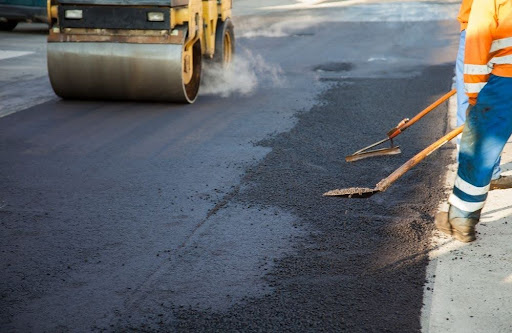
- Compaction and Edge Detailing- Heavy rollers compact the asphalt to remove air pockets, while edges are sculpted for durability and aesthetics. Seamless transitions at sidewalks or garage aprons are a hallmark of premium paving.
- Cleanup and Initial Curing- Once paving is complete, the crew clears the site, ensuring your property is tidy. You’ll notice the surface is dark and, depending on the weather, may feel warm or slightly soft within the first hours.
Immediate Aftercare: Your Role Post-Paving
Once your new asphalt is down, it needs undisturbed time to cool and begin curing. Bonness will advise you to:
- Avoid walking, driving, or parking on the surface for 24-72 hours, depending on weather.
- Keep an eye on pets and children to prevent accidental marks or footprints.
- Wait to place heavy planters or vehicles until the full recommended curing period has passed.
Within the first few days, some tire marks or scuffs may appear—these are normal and typically fade as the asphalt fully hardens.
What Makes the Bonness Paving Experience Different
Local weather and soil conditions make experience essential for reliable results. Bonness brings decades of expertise, using materials and compaction techniques designed for the Gulf Coast climate. The crew reviews slope, drainage, and curb transitions to ensure your paving investment stands up to the environment.
Reliable asphalt paving means quality at every step—from proper sub-base installation to final compaction. Homeowners often notice the attention to detail, such as crisp edges and spotless site cleanup, that sets Bonness apart.
Ready to Transform Your Driveway?
If you’re looking for reliable paving services, Bonness delivers a seamless, thorough paving experience. Whether you need a new driveway, community road, or private path, trust the trained professionals to handle every detail. Give us a call at (239) 597-6221 or fill out our online form to get started.
Recent Comments