residential communities

The Hidden Costs of Waiting to Repair Your Asphalt

Whether it’s a driveway, roadway, or parking lot, asphalt is constantly exposed to elements that can accelerate its deterioration, including UV rays, water, temperature fluctuations, and heavy traffic. Often, small issues like minor cracks or potholes are overlooked, with maintenance deferred to a future to-do list. However, delaying repairs can lead to significant hidden costs, affecting both your budget and the long-term integrity of your property. Here’s why timely asphalt maintenance is essential, particularly for residential communities preparing driveways, roadways, and storm drains for future use.

The Hidden Costs of Waiting to Repair Your Asphalt

Increased Damage and Repair Costs

Minor asphalt issues can quickly escalate into expensive repairs if left unaddressed. Small cracks can expand and deepen as water penetrates the surface and freeze-thaw cycles occur, eventually compromising the pavement’s base. Once the foundation is affected, simple patching is no longer sufficient, often requiring more extensive interventions. Early repairs preserve the structural integrity of your asphalt and prevent larger, more costly problems in the future.

Liability and Safety Risks

Neglected asphalt surfaces are more than an eyesore; they can pose serious safety hazards. Cracks and potholes create tripping risks for pedestrians and can damage vehicles. For residential communities and commercial properties, this translates to increased liability, with potential insurance and legal complications following accidents that could have been prevented through proper maintenance. Keeping asphalt in good condition helps protect residents, visitors, and property owners alike.

Negative Impact on Curb Appeal

The appearance of your property plays a crucial role in first impressions. Whether it’s a residential community, parking lot, or private driveway, poorly maintained asphalt diminishes curb appeal and can affect property value. Regular upkeep ensures your pavement looks clean and inviting, contributing positively to the overall aesthetic of the property and maintaining its attractiveness for residents and visitors.

Cost-Effectiveness of Timely Repairs

Addressing asphalt problems early is far more cost-effective than waiting for damage to worsen. Timely maintenance prevents the spread of cracks and potholes, reduces the scope of future repairs, and extends the lifespan of the pavement. Well-maintained asphalt surfaces require fewer major interventions over time, providing long-term value for property owners and minimizing disruptions to the community.

How Often Should You Inspect and Repair Asphalt?

The frequency of repairs depends on the age of your asphalt, the volume and type of traffic, and local climate conditions. Annual inspections, ideally in the spring, are recommended to assess winter damage and prepare for the remainder of the year. High-traffic areas, such as community roadways or shared parking areas, may require more frequent attention to prevent small issues from becoming larger problems.

Conclusion

Delaying asphalt repairs may seem convenient in the short term, but it inevitably leads to higher costs, increased safety risks, and potential legal complications. Prompt maintenance preserves the integrity and appearance of your pavement, enhances safety, and provides significant long-term value for residential communities and property owners.

Ready to Address Your Asphalt Repair Needs?

If your property in Naples, FL, requires professional asphalt repair or maintenance services, don’t wait until small issues escalate. Bonness offers comprehensive solutions for driveways, roadways, and storm drains, ensuring your asphalt is safe, durable, and ready for future use. Contact us at (239) 597-6221 or fill out our online form to schedule an inspection or service. Our experts are committed to maintaining the integrity, functionality, and appearance of your asphalt surfaces for years to come.

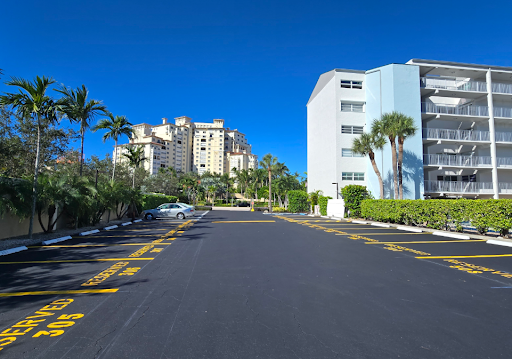
When Is an Overlay the Best Option for an Asphalt Surface?

Maintaining asphalt surfaces in residential communities such as driveways, private roadways, and storm drain areas is essential for long-term durability and safety. For new residential developments, keeping these paved areas in excellent condition also helps protect property value and ensures reliable access before and after major storms. As communities in coastal regions prepare for future hurricane seasons, choosing the right repair method can make a significant difference in performance and resilience.

An asphalt overlay or resurfacing, can be a smart and efficient solution when the existing pavement shows moderate wear but remains structurally sound. This process involves adding a new layer of asphalt over the current surface, improving appearance and functionality without the need for full reconstruction.

Understanding Asphalt Overlay

An asphalt overlay involves applying a new layer of asphalt over an existing paved surface that still has a stable foundation. The process can significantly extend the pavement’s lifespan and improve its smoothness, appearance, and performance. For residential communities, this approach helps maintain driveways, roadways, and shared areas in top shape while minimizing disruptions to residents.

Properly maintained surfaces are also better equipped to handle heavy rainfall and runoff during storm events, protecting nearby storm drains and preventing erosion or pooling.

When to Consider an Overlay

An overlay is best suited for asphalt that shows signs of wear but does not have major structural problems. Residential property managers, HOA boards, and developers should consider overlays when the following conditions are present:

  1. Stable Base and Minor Surface Damage If the base layer is stable but the surface shows small cracks, raveling, or faded areas, an overlay can effectively renew the pavement. This method adds protection while extending service life without the cost or downtime of a full replacement.  
  2. Adequate Drainage and Smooth Surface Grade Proper drainage is essential for the longevity of asphalt surfaces. If water flows correctly toward storm drains and the surface grade remains even, an overlay can be an ideal maintenance step. It helps preserve good drainage and prevent water intrusion that could damage the base over time.  
  3. Aesthetic Renewal and Life Extension For communities preparing for upcoming storm seasons, overlays are an excellent way to strengthen pavement surfaces while enhancing curb appeal. Routine care such as sealcoating and crack filling can further extend the benefits of resurfacing.

When an Overlay Isn’t Suitable

An overlay may not be the right solution if the pavement has deep cracks, widespread potholes, drainage problems, or if multiple overlays have already been applied in the past. In these cases, a full reconstruction or milling may be required to address underlying structural issues before resurfacing.

Benefits of Choosing an Overlay

Asphalt overlays offer several key advantages for residential communities and development managers:

  • Less Disruption: Overlays can often be completed quickly, minimizing inconvenience for residents.
  • Cost Efficiency: They require fewer materials and less labor than full replacements.
  • Improved Protection: A new surface layer enhances resistance to water penetration and UV exposure, helping prepare paved areas for heavy rain and harsh sunlight.
  • Enhanced Appearance: Freshly resurfaced driveways and roads contribute to the overall aesthetic appeal of the community.

Making the Right Decision for Your Community’s Pavement

The decision between an overlay and a full replacement depends on the existing pavement condition, drainage performance, and long-term maintenance goals. Regular inspections and timely resurfacing can help residential developments stay ready for changing weather conditions and future hurricane seasons.

Contact Bonness for Expert Asphalt Solutions in Naples, FL

If your residential community in Naples, FL needs professional asphalt resurfacing, trust the experienced team at Bonness We specialize in maintaining and restoring roadways, driveways, and storm drain areas to help neighborhoods stay durable and attractive year-round. Our experts will assess your pavement and recommend the most effective solution for lasting performance.

Call Bonness today at (239) 597-6221 or fill out our online form to schedule a consultation and ensure your community’s pavement is ready for whatever the next hurricane season brings.

Understanding Rutting in Asphalt Pavement for Residential Communities

In growing residential developments, maintaining well-constructed and durable asphalt pavements is vital for both safety and long-term community upkeep. One of the most common issues affecting neighborhood roads, driveways, and common areas is rutting, a type of pavement distress that appears as depressions or grooves in wheel paths. Rutting not only impacts the appearance of paved surfaces but also creates potential hazards for vehicles and drainage systems, especially when heavy rains or hurricanes occur. Understanding the causes, effects, and prevention of rutting helps community associations, developers, and maintenance teams safeguard their infrastructure year-round.

The Root Causes of Rutting

Rutting in asphalt pavement can result from several underlying factors, including subgrade instability, insufficient subbase thickness, and improper asphalt mix design. When the subgrade beneath the pavement shifts or fails to support consistent traffic loads, the asphalt above it begins to deform. Similarly, a subbase that lacks adequate thickness or compaction cannot evenly distribute the weight of vehicles, leading to ruts over time. Poor asphalt mix composition such as incorrect binder ratios or aggregate sizes also contributes to rutting, particularly when exposed to high temperatures or frequent vehicle traffic.

Impacts and Concerns Associated with Rutting

For residential communities, rutting affects more than just curb appeal. These surface depressions can reduce the lifespan of neighborhood roads and driveways while increasing the need for costly repairs. During periods of heavy rainfall or hurricanes, ruts can trap water and worsen drainage problems, leading to standing water, erosion, or flooding around storm drains. Over time, this can compromise safety for residents and emergency vehicles while placing additional strain on community maintenance budgets.

Key Strategies to Mitigate Rutting

1. Ensure Subgrade and Subbase Integrity

A strong and properly compacted foundation is essential to preventing rutting. Stabilizing and compacting the subgrade and subbase layers ensures they can bear the loads placed on the asphalt surface. This solid foundation supports longer-lasting pavement performance, even under the demanding conditions of Florida’s wet and hot climate.

2. Optimize Asphalt Mix Design

An asphalt mix that strikes the right balance between stiffness and flexibility can better resist deformation under heavy traffic or high temperatures. Using high-quality aggregates, proper binder content, and performance-enhancing additives strengthens the pavement structure and helps it endure prolonged exposure to heat and moisture.

3. Maintain Effective Drainage Systems

Proper drainage is one of the most critical aspects of pavement longevity. Communities should ensure that storm drains, gutters, and swales are kept clear to prevent water from accumulating on or beneath the pavement surface. Standing water accelerates rutting and other forms of pavement distress, particularly during hurricane season.

4. Commit to Proactive Maintenance

Routine inspections and timely repairs can help identify small surface depressions before they worsen. Sealcoating, crack filling, and patching are effective ways to protect residential roads and driveways from early deterioration. Proactive maintenance not only preserves the pavement’s appearance but also ensures safer and more reliable access for residents and service vehicles.

5. Use Modern Pavement Technologies

Modern materials such as polymer-modified asphalt and geosynthetic reinforcements offer enhanced durability and stability. Implementing these technologies in residential community projects can significantly improve the pavement’s resistance to rutting and extend its overall lifespan.

Partner with a Trusted Asphalt Expert in Naples, FL

At Bonness, we understand the unique challenges that residential communities face in maintaining safe and reliable paved surfaces, especially in preparation for future hurricane seasons. Our team offers professional pavement construction, resurfacing, and maintenance services to help protect your investment and keep your neighborhood roads and storm drains functioning effectively.

Contact Bonness today to schedule your consultation or maintenance assessment. Call us at (239) 597-6221 or fill out our online form to get started. Let us help your Naples, FL community stay prepared with strong, durable, and well-maintained asphalt surfaces.

5 Common Stormwater Drainage Problems in Residential Developments

Effective stormwater management is essential in residential developments to prevent flooding, property damage and environmental harm. At Bonness, we specialize in stormwater system design and installation, offering solutions that integrate best practices in asphalt paving and stormwater management.